As of May 2026, I find myself reporting on a significant and frustrating development for the Fortnite community. Epic Games has just announced that Apple has blocked its submission, preventing Fortnite from launching on the US App Store and, critically, from being released on the Epic Games Store for iOS within the European Union. This comes after a recent delay of the game's major May 15 update to May 16, an update many of us believed would finally herald the triumphant return of Fortnite to iOS devices after years of absence. The ripple effect is immediate and global: Fortnite will remain unavailable on iOS worldwide until Apple reverses its decision. The disappointment among players is palpable, especially after the recent legal rulings seemed to pave a clear path for the game's comeback.
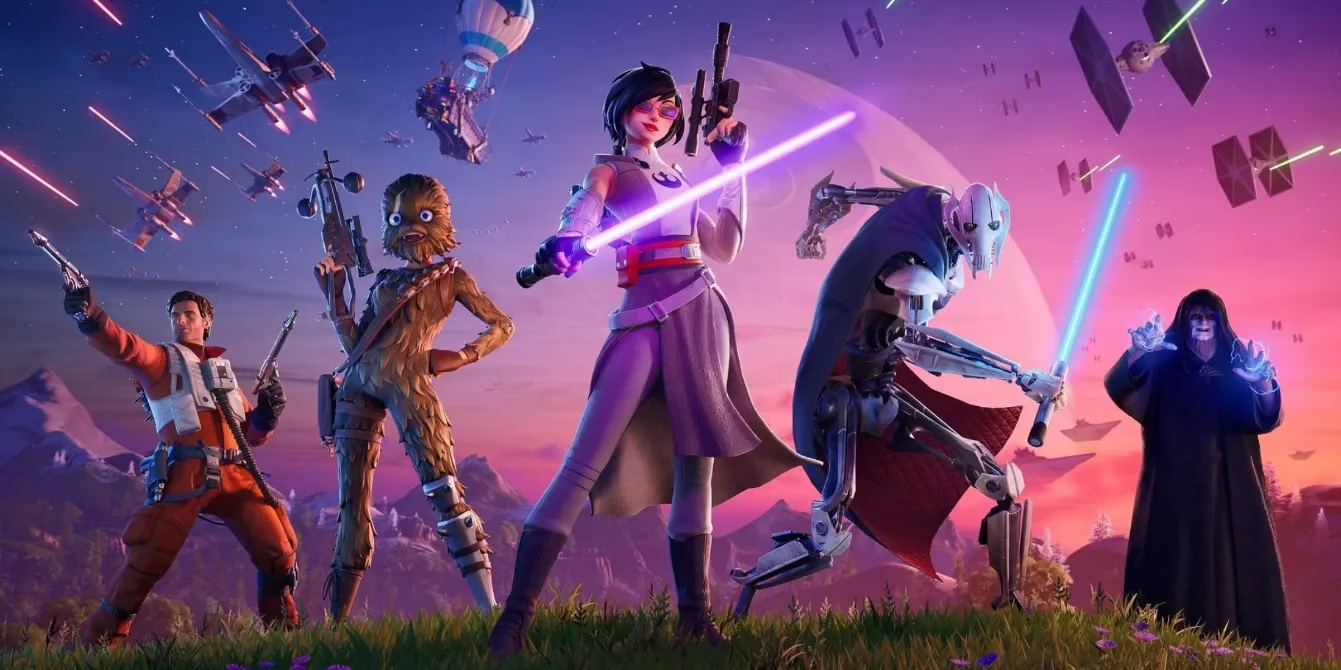
The timing of this block is particularly poignant, as the game is currently deep into its highly popular Star Wars-themed mini-season, Galactic Battle. The season has been a massive hit, transforming the island with iconic elements from the franchise. Epic has brilliantly integrated powerful items like lightsabers back into the gameplay and has overhauled a significant portion of the standard loot pool, replacing traditional weapons with an arsenal of blasters. Furthermore, the community has been thrilled with a wave of new skins featuring major characters, including:
-
Emperor Palpatine 🫳
-
Mace Windu ⚜️
-
Jar Jar Binks 🤪
-
General Grievous 🤖
This vibrant in-game content makes the platform's absence even more keenly felt. Players on other platforms are enjoying this galactic crossover, while iOS users are left watching from the sidelines.
The Longstanding Legal Feud
This latest clash is just the newest chapter in a bitter and protracted legal battle that began back in 2020. The conflict originated when Epic Games implemented a direct payment system in Fortnite, circumventing Apple's App Store fees. Apple's swift response was to remove Fortnite from its store, a move that sparked a landmark antitrust lawsuit. For years, the situation seemed at a stalemate. However, a recent court ruling against Apple had ignited hope. The ruling suggested that Apple's walled-garden approach needed to adjust, leading Epic Games to believe the door was finally open for Fortnite's return to iOS.
| Timeline of Events | Outcome |
|---|---|
| 2020 | Epic challenges Apple's fees; Fortnite is removed from iOS. |
| 2023-2025 | Protracted legal battles and appeals take place. |
| Early 2026 | A judge rules against Apple's restrictive policies. |
| May 15, 2026 | Epic delays Fortnite update, fueling iOS return rumors. |
| May 16, 2026 | Apple blocks Fortnite's App Store submission. |
In a proactive move, Epic Games submitted Fortnite to Apple for review, expecting a straightforward approval process. When they received no response, they even resubmitted the application, a clear signal of their intent to comply and bring the game back to millions of players. The community's expectation was that the May 16 update would be the vehicle for this return. Instead, we got a statement from Epic explaining the worldwide iOS outage, placing the responsibility squarely on Apple's decision to block the submission.
A History of Tension and Trolling
The animosity between these two tech giants has often spilled over into the game itself. In a memorable act of corporate trolling, Epic Games previously released a skin called "Tart Tycoon," a not-so-subtle dig at Apple's famous founder. Interestingly, there were recent teases within the game's files suggesting this cheeky cosmetic might make a comeback, much to the delight of players who missed it the first time. This blend of legal warfare and in-game satire has defined the relationship, showing Epic's willingness to fight its battles on multiple fronts.
The European Union Dimension
Apple's block has had a cascading effect beyond the United States. A critical part of the recent legal landscape is the European Union's Digital Markets Act (DMA), which mandates that companies like Apple allow alternative app stores on their devices. Epic Games had planned to launch Fortnite on its own Epic Games Store for iOS within the EU, leveraging this new regulation. However, Apple's rejection of the core game submission has effectively blocked this launch as well, demonstrating the company's continued gatekeeping power despite regulatory pressure. This move raises serious questions about the practical enforcement of the DMA and the real-world ability for competitors to establish a foothold.
Community Reaction and Looking Ahead
The player base's reaction has been a mix of frustration and weary resignation. Social media and forums are flooded with comments from players who had eagerly prepared for the iOS return, only to have their hopes dashed. Many had already cleared storage space on their iPads and iPhones in anticipation. Despite this significant setback, a sense of cautious optimism persists within the community. The legal precedent is now on Epic's side, and the pressure from regulators in the EU and elsewhere is mounting. Players are hopeful that this blockage is a temporary, albeit painful, hurdle rather than a permanent barricade.
In conclusion, as we navigate the ongoing Galactic Battle in-game, a very real corporate battle continues to rage outside of it. Fortnite's absence on iOS is more than an inconvenience; it's a symbol of the larger struggle over platform control, developer rights, and consumer choice in the digital marketplace. While lightsabers clash on the island, the standoff between Epic Games and Apple shows no signs of a quick resolution. The community now watches and waits, hoping the Force—and perhaps the law—will eventually be with them.
Leave a Comment