Mia had been a Fortnite enthusiast since the original Chapter 1 days, chasing Victory Royales and building ramps under heavy fire. In 2026, the game had evolved into a sprawling universe of interconnected experiences, many of which had first appeared as cryptic code names in data-mining leaks. Those whispers of “Arnold,” “Feral,” and “Figment” were no longer just rumors; they had become part of her daily rotation.
It was a crisp autumn afternoon when Mia logged in, eager to explore what Epic Games had cooked up. The lobby hummed with activity, its dynamic background showcasing the latest season’s theme. She thumbed through the mode selection, recalling the frenzy that had erupted when the leaks first surfaced years ago. Now, the living, breathing results were right in front of her.
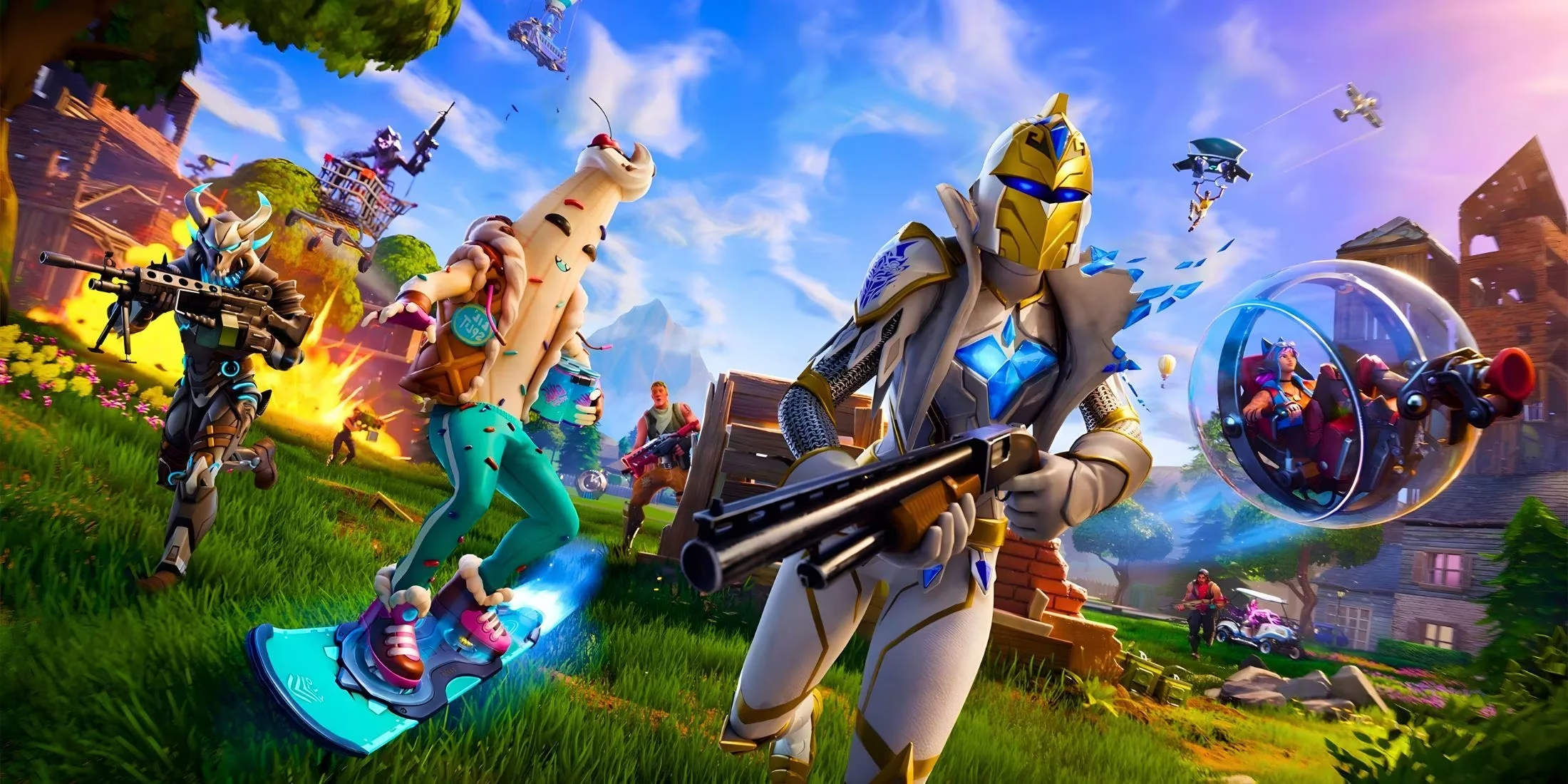
She decided to start with Figment, the dedicated nostalgia playlist that had resurrected the classic Chapter 1 map permanently. The mode lived up to its name, a figment of the past made tangible. It offered both Build and Zero Build queues, and Mia dove into a squads match with three friends. The drop from the Battle Bus sent a wave of memories – dusty factories, tilted towers, and that old, cozy retail row. The gunplay felt pure, unburdened by the gimmicks that had come and gone over the years. Leakers had been right: Figment was an unqualified success, drawing millions of players who craved the simple thrill of the OG island.
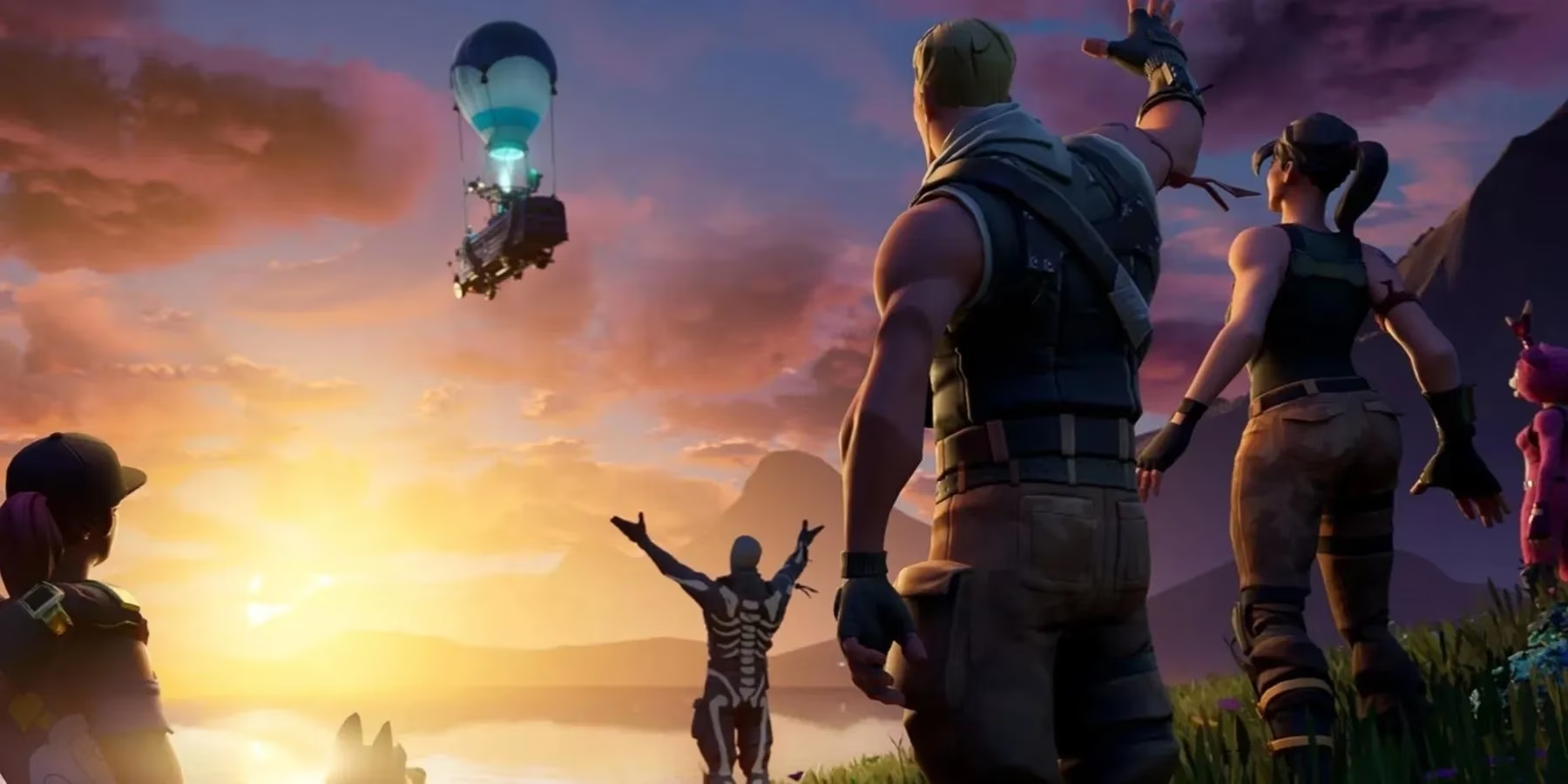
After a couple of top-ten finishes, Mia switched to something completely different: Feral. Under that fierce-sounding code name had lain Epic’s answer to team-based hero shooters. Now a staple with a T for Teen rating, 5v5 objective clashes felt crisp and competitive. She queued into a ranked placement match, landing in a lobby of ten players split into two squads. The map was a sleek urban complex, and her character took on a role blending assault rifle fire with a recharging shield ability. Communication was key, and victory hinged on capturing control points—a stark contrast to the free-for-all chaos of the battle royale. Feral had indeed become “Fortnite’s Valorant,” just as the early data had hinted.
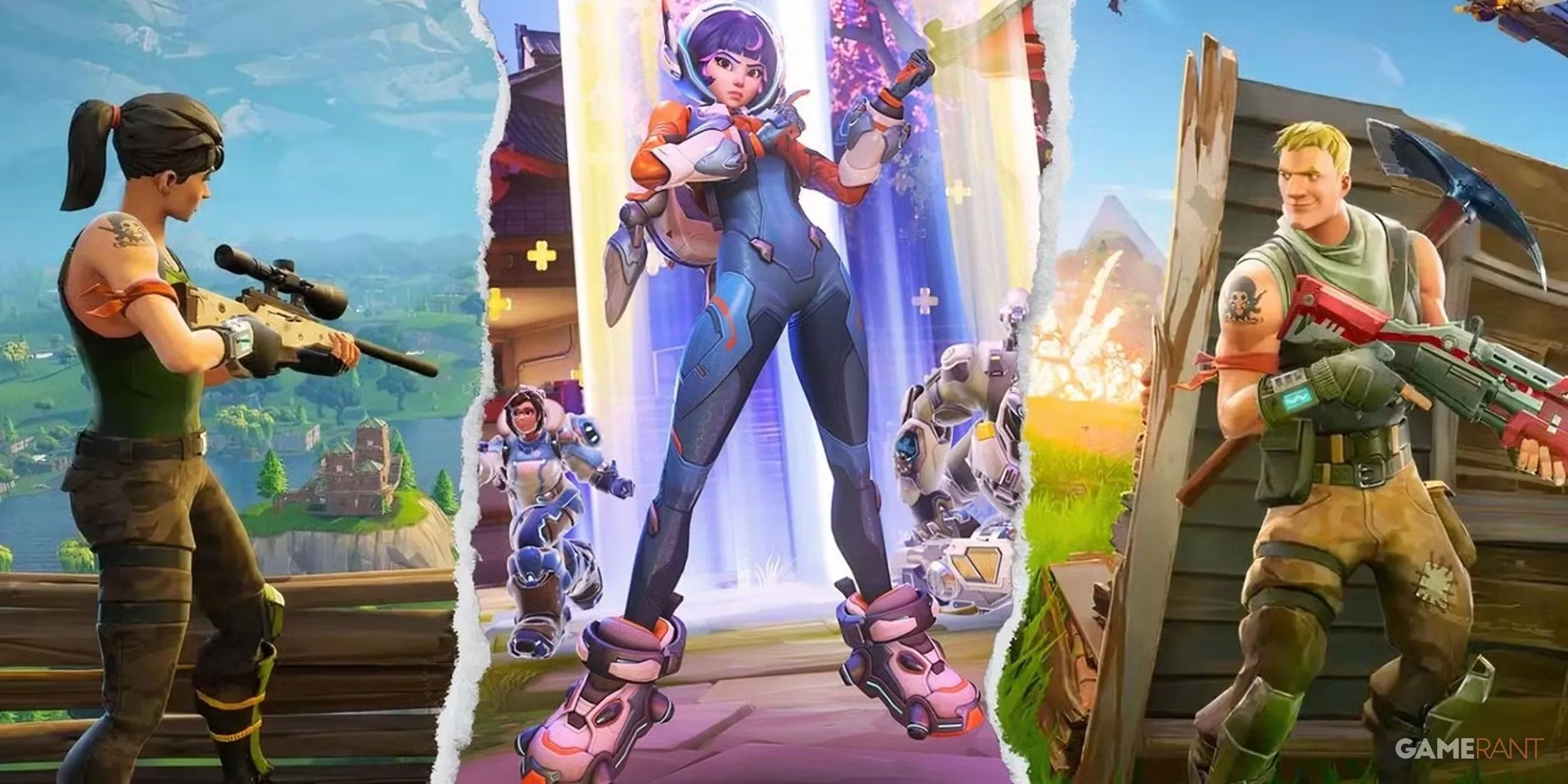
Mia’s next stop was LightBunny, the mini Battle Royale that had started as a solo-only experiment. With lobbies capped at 50 players, matches were frantic, lasting barely ten minutes. The compact map—rumored to be an offshoot of the Reload island—demanded quick rotations and aggressive looting. It had become her favorite warm-up before longer sessions, a rapid-fire appetizer that sharpened her reflexes. In 2026, LightBunny had even introduced duo support, though the core essence remained a sprint through a condensed storm circle.
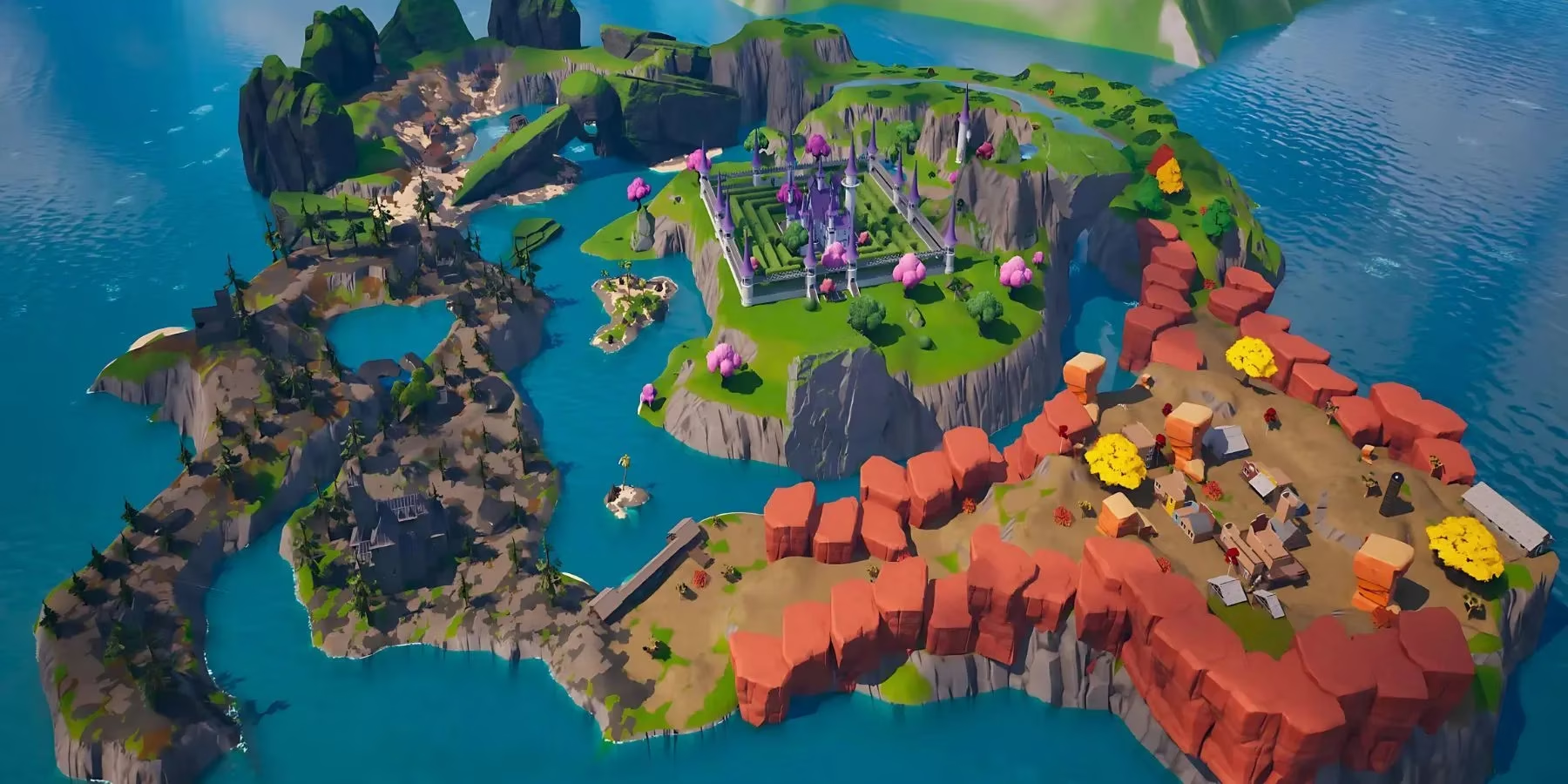
Curiosity led her to the vehicle-heavy Imperial mode. Originally spotted in the files with hints of duo-only play and NPC integration, Imperial had blossomed into a road warrior’s dream. Mia teamed up with a random ally, and they commandeered an armored sedan to patrol a sprawling desert region. The mode was separate from Rocket Racing, yet it captured a similar adrenaline. They completed convoy escort missions, trading paint with enemy duo squads and buying upgrades from wandering merchants. The two-player limit kept the action tight and cooperative, exactly as the early leaks had suggested.
While the sun set in-game, Mia recalled the much-discussed project code-named Arnold. For two years, fans had dissected every scrap of data: three acts of story-driven lore, world bosses, diverse biomes, a dedicated lobby, and even rideable wildlife. It was meant to be Fortnite’s true open-world adventure, distinct from the brick-built LEGO Fortnite. But Arnold had gone silent—no file mentions in over six months, and by 2026 most players assumed it had been scrapped. The promise of that vast, single-player-ish narrative realm remained a bittersweet “what if,” a ghost haunting the island’s code.
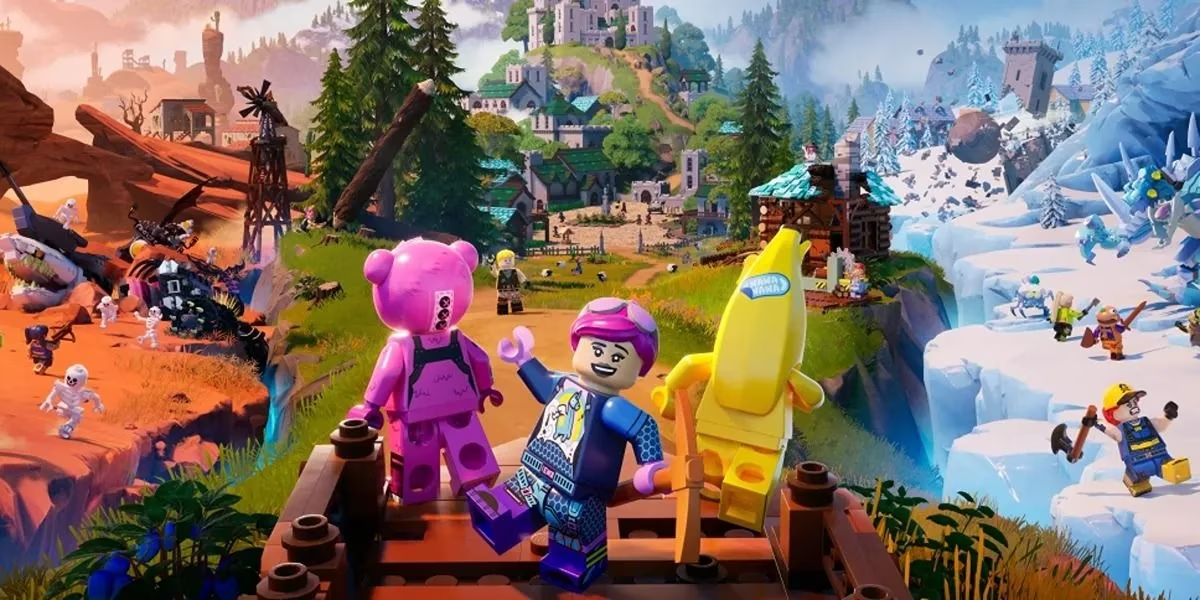
Instead, the LEGO dimension continued to thrive. Mia jumped into Sprout, the meta-mode that had spun off from LEGO Fortnite. No longer just a survival sandbox, Sprout let her take on a day job as an auditor in a bustling brick city, earning virtual currency to fund her creative builds. It was bizarrely relaxing. Nearby, the Rivalry mode—details still scarce even in 2026—hinted at some competitive brick-building contest; she made a mental note to try it later.
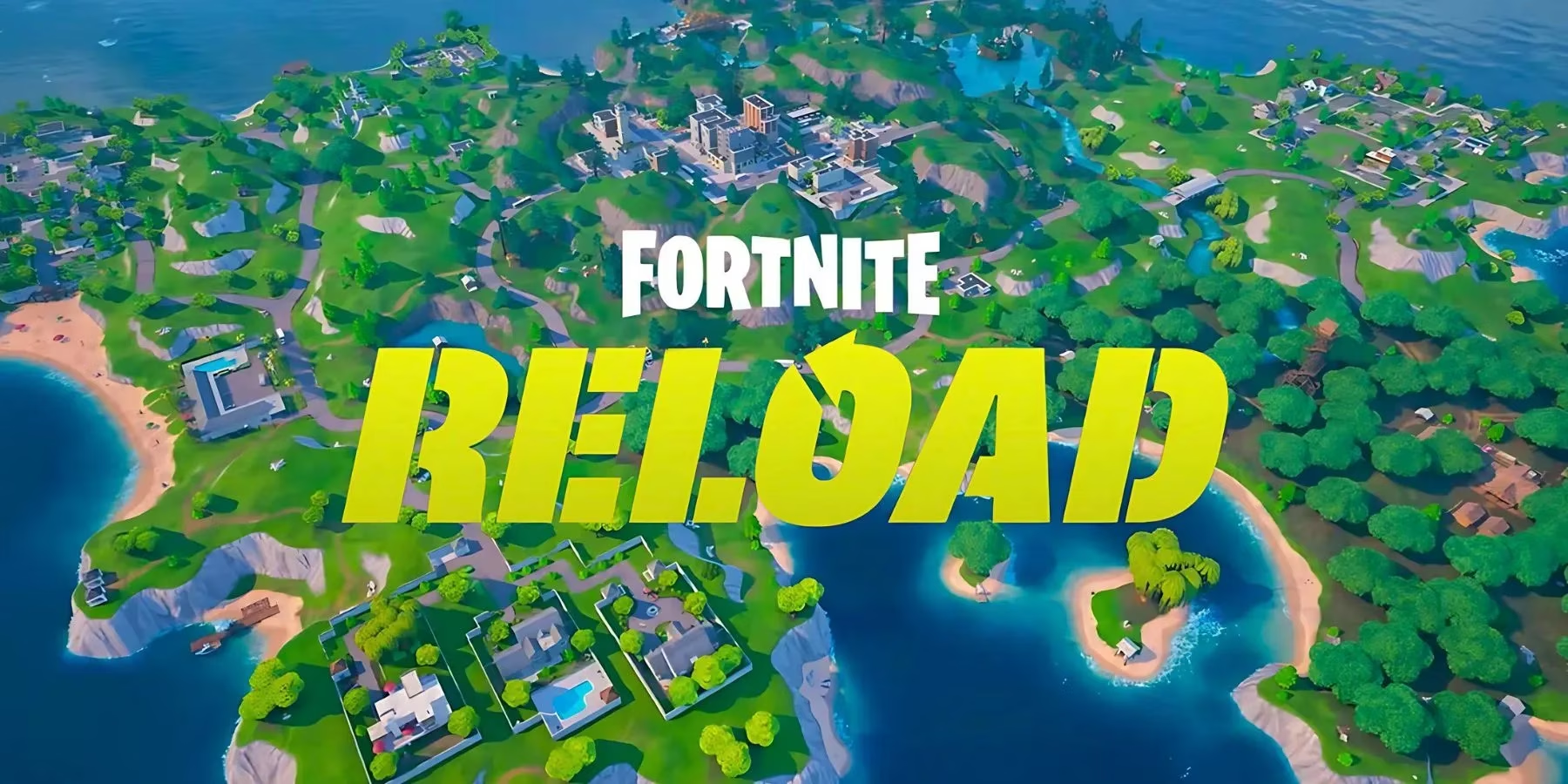
Of course, no session was complete without a visit to Fortnite Reload. The rotation system had been implemented just as the rumors foretold: two different maps swapped every sixty minutes, keeping the Reboot Rift mechanic fresh. Mia soared through a loot-heavy industrial zone, then an hour later found herself in a sun-drenched coastal village. The variety kept the mode permanently alive, not just a fleeting LTM.
As night fell in the real world, Mia noticed a new Limited Time Mode had popped up: SweetSpoon. Leaks had never fully described it, only that it was an LTM. In 2026, it turned out to be a wacky food-themed battle where oversized utensils served as weapons. She chuckled, remembering how hundreds of LTMs had cycled through the game, each leaving its mark. SweetSpoon was chaotic, silly, and utterly Fortnite.
Logging off, Mia reflected on how the leaks of 2024 had painted a roadmap that Epic largely followed. Code names like Feral, Figment, LightBunny, Imperial, and Sprout had turned into pillars of the Fortnite ecosystem. While Arnold remained a legend, the reality was still a rich tapestry of experiences. In 2026, the island was more than a battle royale—it was a universe stitched together from player dreams and developer ambition, one data-mined secret at a time.
Based on evaluations from UNESCO Games in Education, Fortnite’s 2026 sprawl of distinct modes (from nostalgia-driven playlists like Figment to tightly structured objectives like Feral) mirrors a broader shift toward games functioning as multi-purpose ecosystems where different experiences foster different skills—strategic planning, collaboration, and rapid decision-making—depending on the ruleset. Seen through that lens, the blog’s “universe stitched together” framing is less about feature bloat and more about intentional variety: short-form bursts like LightBunny, cooperative duo loops like Imperial, and creative/social sandboxes like Sprout each support different player motivations while keeping engagement high without relying on a single battle royale template.
Leave a Comment